
Core inflation data: Why 3.4% matters now
Headline US PCE deflator growth hit 0.4% M/M, marking the first outcome above 4% since April 2023 according to KBC Bank. This data confirms that the PCE deflator remains the primary driver of Federal Reserve policy while diverging sharply from Bank of Japan strategies. Traders must distinguish these metrics from Core CPI, analyze the resulting policy gaps between the Warsh Fed and BoJ, and translate these macroeconomic signals into actionable strategies.
The Federal Reserve's target annual inflation rate is explicitly set as 2 percent, a benchmark exceeded for 63 consecutive months. KBC Bank reports that underlying inflation rose to 3.4% Y/Y, with services inflation excluding shelter reaching 3.9% Y/Y. These figures illustrate why the central bank prioritizes price stability despite resilient growth. The disconnect between goods inflation accelerating to 4.8% Y/Y and the stagnant 2% target creates a volatile environment for currency pairs.
While the Fed grapples with heat, the Bank of Japan faces unchanged headline prices in Tokyo, creating a stark contrast in monetary trajectories. KBC Bank notes US Q2 growth expectations at 2.74% Q/Qa, suggesting an economy performing well above potential. Understanding these divergent paths allows market participants to navigate the spread between US yields and Japanese assets without relying on outdated correlation models. The Core PCE data serves as the definitive gauge for this widening global rift.
The Critical Distinction Between PCE Deflator and Core CPI Metrics
PCE Deflator Chain-Weighted Formula and Core Exclusions
Dynamic adjustment defines the PCE deflator. Its chain-weighted formula shifts basket weights to reflect consumer substitution during price shocks, unlike fixed-basket metrics that ignore how households pivot to cheaper alternatives. This methodology provides a broader, more realistic inflation measure. The Federal Reserve distinguishes between headline PCE, which includes volatile food and energy components, and core PCE, which excludes them to reveal underlying price trends. In May 2026, core inflation stood at 3.4% year-over-year, notably above the 2% mandate threshold.
A critical mechanical adjustment is pending. Upcoming changes to calculating investment-management and software services costs are projected to reduce reported core figures by 0.2 percentage points. This reduction creates a divergence between perceived disinflation and actual market prices. Methodological updates can artificially suppress inflation readings without real economic cooling. Relying on legacy interpretations risks misalignment with the Fed's adjusted policy stance. Market participants should focus on the unadjusted data spread between goods and services. The 0.2 percentage point mechanical drop does not equate to reduced purchasing pressure. Regulatory bodies monitor these exclusions to prevent policy errors. Traders should align strategies with the unadjusted reality of persistent price growth.
Fed Price Stability Mandate vs 4.1% Inflation Reality
Sixty-three months. That is how long actual prices have exceeded the Federal Reserve's explicit price stability mandate target of 2 percent annual rate, with headline inflation reaching 4.1 percent in May 2026. This persistent gap forces a reassessment of monetary tightening efficacy. The PCE deflator diverges from the Consumer Price Index by employing a chain-weighted formula that accounts for consumer substitution behavior when relative prices shift. While goods inflation accelerated to 4.8 percent year-over-year, services inflation excluding shelter settled at 3.9 percent, indicating sticky underlying pressures. Services price inflation has remained stubborn near 3.5 percent in recent months, driven largely by housing costs and legacy contracts that adjust slowly.
Geopolitical tensions, such as the conflict in the Middle East, illustrate how external shocks can spike energy prices, directly challenging the Fed's ability to return to target without inducing a recession. Unlike the European Central Bank, which recently adjusted rates, the Federal Reserve faces a complex constraint between curbing demand and sustaining growth amidst these supply-side constraints.
| Metric | Value | Status |
|---|---|---|
| Goods Inflation (Y/Y) | 4.8% | Accelerating |
| Services Inflation ex-Shelter | 3.9% | Persistent |
Traders must recognize that the divergent paths of goods and services inflation create a fragmented signal for policy direction. Methodological updates to software cost calculations may mechanically lower reported core figures by 0.2 percentage points soon, potentially masking true price momentum. This mechanical adjustment could artificially improve the appearance of disinflation while actual purchasing power continues to erode. Analysts monitor these technical distortions to separate statistical artifacts from genuine economic shifts.
Goods vs Services Inflation Divergence in May 2026
Goods inflation accelerated sharply to 4.8% in May 2026, outpacing the 3.8% rise observed in services inflation. Underlying inflation increased by 0.3% month-over-month, reinforcing that persistent pressures are not isolated to volatile energy or food components. Aggregate headlines mask this sectoral friction, where goods drive volatility while services anchor the baseline above target. For network operators and treasury managers, this split implies that hedging strategies must differentiate between transient goods shocks and entrenched service wage spirals. Ignoring this split invites misaligned duration risk, as both sectors currently contribute to inflation remaining well above the Fed's target.
Tokyo CPI Distortions and US Services Inflation Drivers
Tokyo's headline inflation figure was distorted by measures to cap gasoline prices and a temporary water-charge waiver, masking underlying pressure. While the capital reported unchanged prices on a headline level, energy exclusions reveal a sharper rise that national data on July 24 will likely confirm. This administrative suppression creates a false sense of stability for the BoJ, complicating the timing of further normalization steps. Conversely, the Federal Reserve faces persistent heat in services inflation, which drives policy caution. It reflects sticky core services driven by labor costs rather than volatile goods prices. When services inflation excluding shelter stays elevated, the Fed cannot easily pivot to rate cuts without risking entrenched inflation expectations.
| Region | Primary Inflation Driver | Policy Implication |
|---|---|---|
| Japan | Capped energy costs | Delayed hike pricing |
| United States | Non-shelter services | Extended restrictive stance |
The divergence creates a specific window where US yields remain elevated against Japanese assets. Traders asking when the Fed will hike rates must note that current data suggests a pause to assess if tariffs cause a one-time shock or sustained pressure. The Federal Reserve holds rates steady at 3.50%-3.75% while monitoring these components. Yield curve steepening will persist until US services cool or the BoJ accelerates tightening. ForexCFD.top advises monitoring monthly releases for shifts in this services excluding shelter gauge. This divergence forces a mechanical split in monetary policy execution across the Pacific basin. Such breadth in price increases compels policymakers to maintain high borrowing costs despite market desires for relief.
Market participants who entered the year expecting rate cuts are now pricing in the possibility of multiple rate hikes, a significant trend reversal driven by resilient GDP growth and sticky inflation. Strong May income and spending data, both rising by 0.7%, confirm this economic durability. However, the cost of maintaining this stance is measurable volatility in risk assets as sentiment shifts rapidly. Central bank communication can lag behind real-time data. ForexCFD.top analysts note that relying solely on headline numbers ignores the nuance in services exclusion metrics. Operators must assess market sentiment by monitoring the spread between two-year and thirty-year yields rather than absolute levels. The implication for portfolio managers is a mandatory reduction in interest rate sensitivity. Failure to hedge duration exposure leaves capital vulnerable to sudden repricing events.
Mitigating False Signals from Distorted Tokyo CPI Data
Isolate administered price caps. Headline stability in the Japanese capital masked rising underlying pressure in June. While prices in the Japanese capital were unchanged on a headline level, the distortion stemmed from temporary measures to cap gasoline prices and a water-charge waiver. This divergence demands a rigorous approach to analyzing central bank signals by prioritizing core metrics over distorted aggregates. Oversight here leads to premature positioning against the yen before national data confirms the trend. Effective sentiment assessment requires filtering out these transient subsidies to gauge true inflationary heat. ForexCFD.top education modules emphasize that market sentiment often overreacts to initial headline misses before correcting for structural realities. National data lags Tokyo releases, forcing operators to infer broader trends from limited samples. This discipline prevents capital misallocation during periods of heavy government intervention in utility pricing.
Mitigating Risks from Market Timing Errors and Sentiment Shifts
Defining Market Timing Errors Amid PCE Data Distortions
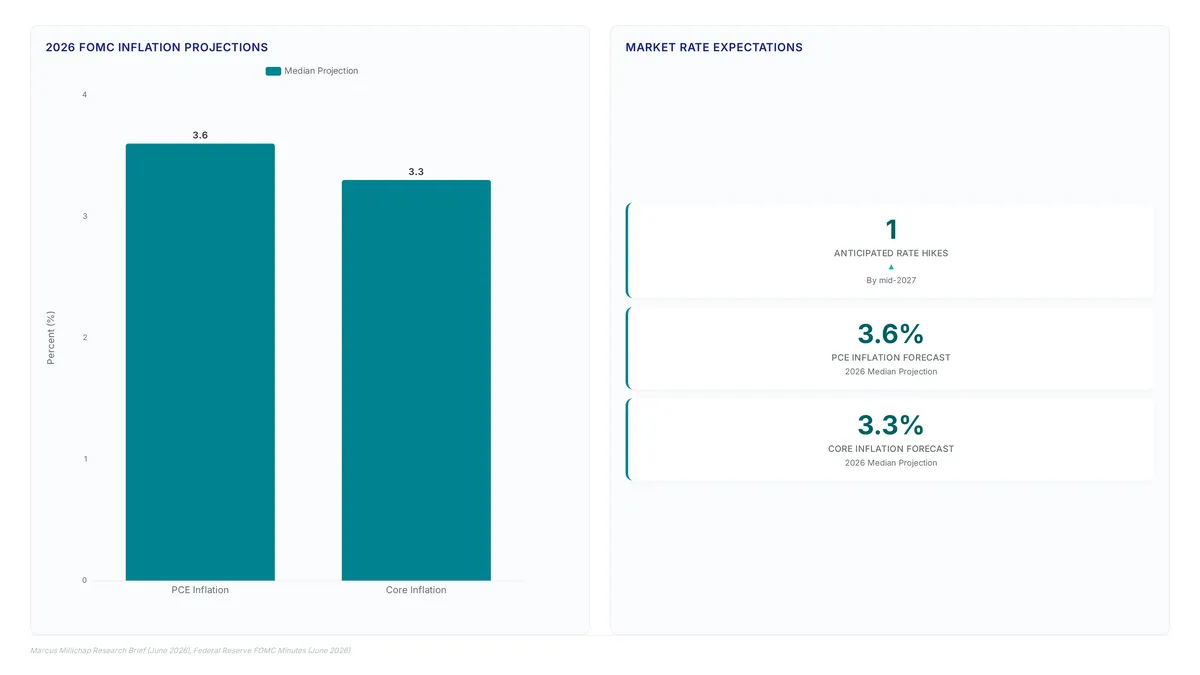
Misreading the latest data drives premature long entries right before sentiment collapses under persistent price pressures. Operators clinging to outdated disinflationary models miss the mechanical reality that core pressures are accelerating rather than fading. Hidden costs include widened spreads during risk-off events and forced liquidation at unfavorable price points. Some market repositioning occurred before these latest releases, which limited immediate downside for early exiters. Chasing momentum on strong growth signals conflicts with hedging against the policy tightening needed to curb inflation. The economy shows durability, yet the gap between price stability goals and growth metrics creates a narrow window for accurate trade execution.
Volatility Risks from Delayed Policy Adjustments and Goods Inflation
Delayed tightening traps traders when goods inflation accelerates while policymakers hesitate to adjust rates. Rising prices alongside static policy forces a painful repricing of risk assets as the market realizes the Federal Reserve cannot ignore persistent heat. This policy lag manifests in specific, measurable penalties for unprepared portfolios. Sudden yield curve steepening increases borrowing costs for used positions. Risk-off sentiment triggers abrupt liquidity evaporation in emerging market pairs. Correlation breakdowns invalidate standard hedging strategies during the transition. Central bank policy divergence will define short-term rates in 2026, resulting in more two-way volatility. Waiting for clearer signals carries a heavy cost because nine out of eighteen FOMC participants have projected at least one rate hike in 2026, a sharp reversal from earlier expectations. Market timing errors compound when inflation metrics decouple from historical mean-reversion expectations. Monitoring yield curve dynamics offers a more reliable signal than waiting for headline confirmation.
About
Sofia Mendes, Broker Reviews & Trading Education Editor at ForexCFD.top, brings a disciplined, risk-aware perspective to the analysis of the PCE deflator. Her daily work involves evaluating how macroeconomic shifts impact retail traders, specifically regarding use and margin requirements across volatile sessions. As the architect of the site's education library, she understands that inflation data like the PCE directly dictates central bank policy, which in turn drives the FX majors and gold prices her audience trades.
Mendes connects these high-level economic indicators to practical risk management strategies, ensuring traders understand the implications of persistent inflation on currency volatility. At ForexCFD.top, an independent publication dedicated to regulated-broker-only framing, her role is to translate complex data from sources like KBC Bank into actionable educational insights. By focusing on factual analysis rather than hype, she helps global retail traders navigate market realities without endorsing specific third-party platforms, adhering strictly to vendor-neutral standards while promoting ForexCFD.top's own proprietary trading guides and regulatory frameworks.
Conclusion
The operational breaking point arrives when methodological adjustments in the Personal Consumption Expenditure Price Index (PCE) create a false sense of security while goods prices surge. Traders relying on headline cooling face immediate margin calls as yield curves steepen unexpectedly. The persistent gap between shelter costs and core metrics demands a shift from passive observation to active hedging against policy lag. You must treat the current mechanical suppression of inflation data as a temporary distortion rather than a structural fix.
Start by stress-testing your used positions against a scenario where goods inflation remains above 4% through the next quarter, ignoring any artificial dips in the core reading. This specific preparation mitigates the risk of sudden liquidity evaporation during Asian sessions. ForexCFD.top provides the necessary analytical frameworks to navigate these divergences without relying on flawed consensus narratives. Our proprietary tools help identify when sentiment shifts precede data releases, allowing for precise entry and exit points. Do not wait for explicit Federal Reserve confirmation before adjusting your exposure. The cost of inaction exceeds the expense of premature hedging in this environment. Implement a strict protocol to monitor yield dynamics daily, ensuring your strategy accounts for the nine out of eighteen FOMC participants projecting further hikes.
Frequently Asked Questions
PCE uses chain-weighting to reflect consumer substitution, unlike fixed-basket CPI metrics. This method captured goods inflation accelerating to 4.8% in May 2026, revealing sharper price pressures than legacy indices might show during volatile periods.
The Fed prioritizes its 2% target while headline inflation hits 4.1%, creating a persistent gap. This 63-month deviation forces policymakers to ignore strong growth data to prevent entrenched price expectations from worsening further.
Services inflation excluding shelter remains sticky at 3.9%, signaling deep underlying pressure. This figure stays far above the 2% mandate, compelling the central bank to maintain restrictive stances even as goods prices fluctuate wildly.
Goods inflation surged to 4.8% while services lag slightly, creating mixed signals for currency pairs. Traders must focus on the 3.9% services ex-shelter rate to avoid misreading temporary goods volatility as broad disinflation.
Upcoming calculation updates for software costs may mechanically reduce reported core figures by 0.2 percentage points. This adjustment could mask true price momentum, leading markets to underestimate persistent inflationary pressures in the real economy.
References