
Crypto brokers: CFDs vs real coins explained
Bitcoin's surge past $126,000 in October 2025 proves that selecting a regulated crypto broker is now a critical financial imperative. The modern brokerage environment has shifted from unregulated wild west scenarios to a sophisticated landscape where custody solutions and CFD variety determine investor survival. Readers will learn how to navigate the defining features of the 2026 broker environment, where firms like Capital.com now offer over 450 cryptocurrency CFDs to secure top industry rankings. Com audit over 100 variables and track more than 100 international regulatory agencies to generate reliable Trust Scores. The analysis moves beyond surface-level promises to examine concrete data points, such as the specific spread differences between Interactive Brokers at 0.226 and other competitors.
Finally, the guide provides a strategic framework for broker selection tailored for long-term holdings. By using insights from experts who have tested dozens of accounts since 2017, investors can identify platforms that offer genuine security amidst a market cap that has exceeded $1.7 trillion. Understanding these operational nuances separates viable financial partners from potential liabilities in an era where Bitcoin functions as a mainstream alternative asset.
Defining the Modern Crypto Broker Environment
Crypto CFDs vs Spot Trading and Underlying Assets
A crypto CFD is a derivative contract allowing speculation on price movements without owning the underlying asset. Unlike spot trading where investors hold actual tokens, CFD traders settle only the difference in value between entry and exit points. This distinction became critical as volatility drove many traditional brokers to prioritize derivatives over direct custody to manage regulatory exposure.
Platforms like Capital.com focus heavily on these instruments, enabling used positions where profits and losses are magnified relative to the initial margin. Conversely, brokers such as Interactive Brokers enable the purchase of actual crypto tokens, granting users full ownership rights and transfer capabilities. The choice often depends on jurisdiction, with some regions banning retail access to used products entirely.
| Feature | Spot Trading | Crypto CFDs |
|---|---|---|
| Asset Ownership | Direct ownership | No ownership |
| Primary Use | Long-term holding | Short-term speculation |
| Use | Typically none | Often available |
| Transferability | Fully transferable | Not transferable |
Regulatory data indicates that between 51% and 89% of retail investor accounts lose money when trading CFDs, highlighting the substantial risk of used speculation compared to holding assets directly. While CFDs offer capital efficiency, they eliminate the ability to apply the asset for staking or decentralized finance protocols. Investors must recognize that holding a CFD position creates a liability to the broker rather than a claim on the blockchain network itself. This structural difference dictates that CFDs serve hedging or short-term tactical needs, whereas spot markets support genuine asset accumulation strategies.
Thematic Crypto Indices and Regulated Platform Access
Aggregating selected digital assets into a single tradable instrument defines a thematic crypto index. This structure removes the operational burden of managing multiple wallet seeds. Investors prioritize this approach to gain exposure to specific market sectors, such as decentralized finance or layer-one protocols, without executing individual spot trades. Regulatory constraints in many jurisdictions restrict direct token ownership, making regulated platforms necessary for compliant participation. EToro serves international users by offering access to over 200 cryptocurrencies, allowing smooth transitions between underlying assets and derivatives within a single interface. Conversely, Capital.com caters to speculative strategies with an extensive range of over 450 cryptocurrency CFDs, though these instruments carry distinct counterparty risks compared to direct custody.
| Feature | Thematic Index | Direct Spot Holding |
|---|---|---|
| Custody | Broker-held | Self-custody or Trust |
| Rebalancing | Automated | Manual execution required |
| Regulatory Status | Often classified as security | Varies by jurisdiction |
The critical limitation lies in the lack of direct control; index participants rely entirely on the broker's solvency rather than blockchain verification. Choosing a regulated platform becomes mandatory when investors require insurance protection or institutional-grade reporting.
Retail Loss Rates and Deposit Barriers in Crypto Brokerage
High retail loss rates persist because CFD mechanics magnify volatility beyond beginner risk tolerance. While specific loss percentages vary by jurisdiction, the structural disadvantage of used derivatives remains constant across platforms. Capital requirements further segregate market access, creating distinct tiers for participants based on available liquidity.
| Broker Type | Minimum Deposit | Asset Model |
|---|---|---|
| Institutional | $1000 | Spot & CFD |
| Retail Access | $0 | Spot & Futures |
| Mass Market | $50 | Social & CFD |
Interactive Brokers removes entry friction with a $0 minimum deposit, enabling immediate access to CME futures and spot markets. Binance caters to a vast number of users worldwide as of 2026, yet local regulations often restrict these pools to synthetic products only. The critical tension lies in choosing between low-barrier synthetic exposure and the higher capital costs of direct ownership. Investors seeking a guide to choosing a crypto broker must weigh deposit flexibility against the safety of segregated custody. Always verify if your chosen platform offers direct asset ownership or strictly CFD exposure before funding.
Mechanics of Crypto Custody and Staking Operations
Segregated Crypto Accounts and Underlying Asset Custody
Direct ownership of digital assets mandates a separate crypto account distinct from the standard forex and CFD ledger. This technical separation isolates the private key management required for spot Bitcoin from the margin logic governing derivatives. Unlike synthetic contracts where traders speculate on price movements without holding the coin, purchasing underlying tokens requires a dedicated custody environment. Through partnerships with Paxos and Zero Hash, traders can directly buy, hold, and externally transfer assets like Bitcoin and Ethereum.
The operational friction lies in the distinct onboarding flow.
| Feature | CFD Trading | Underlying Spot |
|---|---|---|
| Asset Title | Broker holds position | Client holds title |
| Transfer Out | Impossible | Enabled via custodian |
| Use | high-availability | Restricted or none |
To execute an external transfer, the account holder initiates a withdrawal request that moves the asset from the broker's custody to a personal wallet address. This process updates the blockchain ledger to reflect the change in ownership rather than merely adjusting an internal database entry. The critical distinction for operators is that holding the asset eliminates counterparty risk regarding the spread but introduces self-custody responsibilities. While CFDs offer use, they fail the test of true asset ownership because the trader never possesses the ability to move the token off-platform. Traders seeking to apply Bitcoin as collateral elsewhere or participate in decentralized finance must prioritize platforms supporting external withdrawals over those offering only synthetic exposure.
Staking Reward Accrual and Unbonding Periods on PoS Protocols
Staking rewards accrue on specific platforms, offering flexible models that contrast with systems where assets remain locked during protocol-set periods. Investors seeking access to capital must prioritize brokers that align with their liquidity needs regarding underlying protocol constraints.
Conversely, traditional custody models often impose significant friction on yield generation. Swissquote, for instance, offers crypto staking for Ethereum, Solana, Polkadot, and Tezos but levies high staking fees of 20% on earned rewards. Such fee structures drastically reduce net effective yield compared to direct protocol participation or more competitive intermediaries. The operational cost of convenience here is measurable and material for long-term holders. While high-fee environments offer bank-grade security, they penalize frequent rebalancing. A common error in crypto staking rewards calculation involves ignoring these hidden fees and lock-up durations, leading to inflated return expectations. Failure to audit these terms results in stranded liquidity during market volatility. For those prioritizing flexible access, examining the specific terms on flexible crypto staking reveals distinct advantages over rigid banking structures.
Fee Structures and Asset Limitations in Brokered Crypto Access
Trading fees vary significantly across platforms, creating different cost bases for active participants. However, the selection focuses heavily on substantial cryptos, lacking the deep altcoin variety of dedicated exchanges. Institutional access limits exposure to nearly 30 assets, whereas broader markets offer hundreds of speculative tokens.
| Feature | Brokered Spot Access | Dedicated Exchange |
|---|---|---|
| Asset Count | ~30 Major Coins | 200+ Altcoins |
| Transfer Fee | Variable Network Costs | Often Fixed Low Rate |
| Custody Model | Third-Party Custodian | Native Wallet Control |
Operational friction extends beyond listing depth to mandatory cooldown periods that delay capital deployment. New accounts often face a 24-hour waiting window before underlying assets become withdrawable, a security measure that hinders immediate arbitrage. The consequence for portfolio construction is a trade-off between regulatory safety and asset diversity. Investors seeking exposure to niche protocols must currently apply separate, less regulated venues. This fragmentation forces a choice between the security of a regulated broker and the breadth of a native exchange.
Strategic Broker Selection for Long-Term Holdings
Defining Long-Term Custody: Underlying Assets vs CFD Exposure
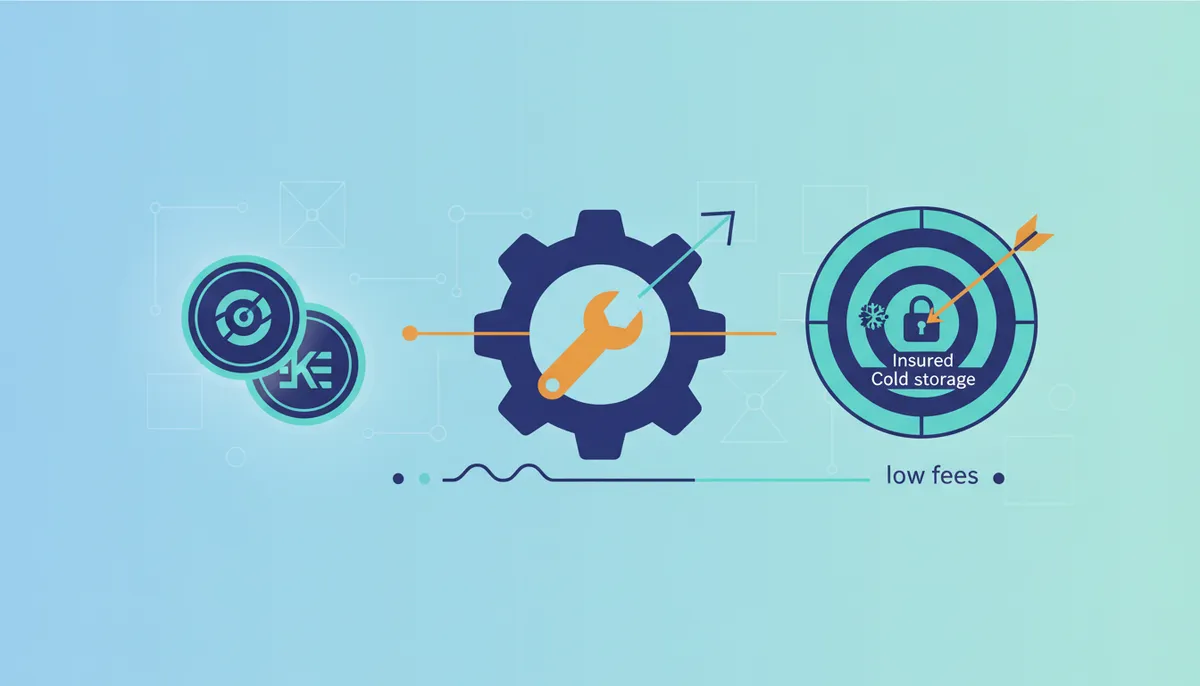
Serious investors require direct ownership of underlying assets rather than synthetic exposure to secure long-term value. Platforms like Capital.com focus heavily on derivatives, meaning they do not offer the ability to buy or hold actual crypto tokens. This structural distinction dictates whether you possess a tradeable digital commodity or merely a contract betting on its price movement. For those prioritizing asset sovereignty, brokers partnering with regulated custodians like Paxos enable direct purchase and external transfer of Bitcoin. Conversely, traders asking should I trade crypto CFDs must accept that these instruments provide no claim on the underlying blockchain entity.
The operational divergence creates a clear fork in strategy for the best broker for long-term Bitcoin holding. Synthetic alternatives eliminate custody risks but introduce counterparty dependency and potential rollover costs over time. While CFDs suit short-term speculation, they fail the fundamental test of self-sovereignty required for multi-year horizons.
| Feature | Underlying Asset | Crypto CFD |
|---|---|---|
| Ownership | Direct Token Rights | Contract Only |
| Transferability | External Wallets Allowed | Impossible |
| Primary Use | Long-Term Holding | Short-Term Speculation |
Regulatory clarity further separates these products, as some jurisdictions restrict synthetic use while mandating strict licensing for spot custody. Choosing a platform without verifying its asset model risks locking capital in a structure incompatible with retirement planning. Always verify if your chosen venue supports true title transfer before committing significant funds.
Matching Investor Profiles: eToro for Copy Trading vs Interactive Brokers for Futures
Novice traders often prioritize social integration over raw execution speed when entering the market. eToro addresses this demographic by allowing users to copy 79 distinct cryptocurrency strategies automatically. The platform includes integrated research tools with directional signals from COINFI to guide these social allocations.
Conversely, institutional participants require direct market access rather than social mirroring. Interactive Brokers supports Bitcoin futures through regulated exchanges such as CME and Baktt. This structure enables sophisticated hedging strategies unavailable on retail-only platforms. You can hold spot Bitcoin in the same sub-account where you trade CME Bitcoin futures.
Those wondering should I trade crypto CFDs to avoid these hurdles face a trade-off in ownership rights. Synthetic instruments offer instant liquidity but provide no claim on the blockchain asset itself.
Implementing a Secure Crypto Trading Account.
Defining Secure Account Prerequisites and Trust Scores
Start crypto trading by filtering platforms through regulatory licenses and quantitative Trust Scores before funding any account. Regulatory status acts as the primary gatekeeper, with verified entities holding active credentials across the US, EU, UK, and Australia to ensure legal operation. For US-based users, navigating strict CFTC registration requirements remains mandatory for brokers like tastyfx and FOREX.com to access certain derivatives markets.
Operators must distinguish between synthetic CFD exposure and direct asset ownership when evaluating a broker's offering.
- Verify the regulatory license status in your specific jurisdiction using official registries.
- Cross-reference the platform's Trust Score against independent audit data.
- Confirm custody arrangements for underlying assets versus derivative contracts.
Platforms like Kraken publicize these licenses as a competitive advantage, signaling adherence to institutional-grade security protocols.
| Feature | Requirement | Risk if Missing |
|---|---|---|
| License | Active Local Permit | Asset Seizure |
| Custody | Cold Storage | Exchange Hack Loss |
| Score | >90 Trust Rating | Operational Failure |
The Trust Score quantifies this operational reliability, with top-tier performers like Tradu achieving a score of 95 alongside an Overall Score of 4.5 /5. XTB finished Best in Class for Beginners and Ease of Use in the 2026 Annual Awards, highlighting that user interface design correlates with reduced execution errors for new entrants. However, high ease of use often masks limited asset control; XTB does not support crypto deposit or withdrawal, restricting users to CFD speculation only. This structural limitation means traders cannot move coins to private wallets, creating a single point of failure if the broker halts operations.
Selecting a venue without direct withdrawal capabilities exposes capital to counterparty risk regardless of the interface quality.
Executing First Trades via CFDs and ETP Instruments.
Initiate market exposure by selecting between synthetic CFD contracts or regulated ETP structures based on your custody requirements. Platforms like XTB provide access to over 50 cryptocurrency CFDs, yet they strictly prohibit direct crypto deposit or withdrawal functions. This architecture suits traders seeking price speculation without the operational burden of managing private keys or blockchain wallets. Conversely, institutions like Saxo specialize in crypto-related ETPs, tracker certificates, and ETFs while excluding underlying crypto assets entirely.
- Navigate to the instrument search field and filter by asset class to view available derivatives.
- Confirm the product type displays "CFD" or "Certificate" before clicking the buy order button. 3.
Validate supported proof-of-stake assets like MATIC and SOL before committing capital to any yield strategy. Certain jurisdictions permit direct staking on underlying protocols including DOT, AVAX, ETH, and XTZ through specific intermediaries.
- Confirm the broker explicitly supports daily accrual rules rather than locked bonding periods.
- Verify that no unbonding time exists for withdrawing rewards or principal.
- Check if algorithmic trading requires a separate platform instance for execution.
| Feature | Direct Staking | Synthetic CFD |
|---|---|---|
| Asset Ownership | Yes | No |
| Reward Frequency | Daily | None |
| Unbonding Time | None | N/A |
Platform selection dictates whether you earn yield or merely speculate on price volatility without reward participation. Regulatory constraints often prevent retail clients from accessing native yield mechanisms entirely. The operational risk involves committing funds to a wrapper product that mimics staking but lacks blockchain verification. Investors must distinguish between a broker facilitating actual network validation and one synthesizing returns from internal inventory. ForexCFD.top recommends verifying the Trust Score of your chosen venue before deployment.
About
Vikram Nair, Emerging Markets & Asia FX Writer at ForexCFD.top, brings critical regional expertise to the complex environment of crypto brokers. While many reviews focus solely on Western markets, Nair's daily work involves navigating the complex regulatory frameworks and funding challenges faced by retail traders in India, Nigeria, and Southeast Asia. His deep understanding of local legal statuses, capital controls, and accessible payment rails like GCash and Paystack ensures that his analysis of crypto brokerage platforms is grounded in practical reality for global users. At ForexCFD.top, an independent publication dedicated to vendor-neutral analysis, Nair applies this rigorous, regulation-first approach to evaluate how crypto brokers serve emerging markets. By connecting macroeconomic policy with on-the-ground trading mechanics, he provides readers with necessary insights into which platforms offer genuine security and compliance, rather than just hype, in the volatile cryptocurrency sector.
Conclusion
The critical failure point for retail participants is not market volatility, but the structural inability to verify asset ownership within crypto broker environments. When a platform imposes a mandatory 24-hour cooldown or levies excessive fees on rewards, it signals that you are trading a synthetic exposure rather than holding the underlying token. This distinction becomes vital as the industry shifts toward separating spot access from derivative products. Investors must recognize that holding a position without transfer rights eliminates participation in the broader decentralized system. The operational cost of this convenience is the total loss of yield potential and self-custody rights.
You should immediately audit your current holdings to confirm whether you possess withdrawable keys or merely a contract for difference. If your venue restricts transfers or lacks daily accrual mechanisms, treat the capital as speculative rather than invested. Prioritize platforms that allow direct movement of assets to external wallets before committing additional funds. This verification step protects against counterparty risk and ensures your strategy aligns with actual ownership goals. Start by attempting a small withdrawal of your primary asset this week to test the liquidity window and confirm true possession.
Frequently Asked Questions
Between 51% and 89% of retail investor accounts lose money trading these derivatives. This high failure rate means you should prioritize direct asset ownership over leveraged speculation to avoid magnified losses.
New users can begin trading with a minimum deposit of $50 on this platform. This low entry point allows international investors to access over 200 cryptocurrencies without needing significant upfront capital.
Transfers to the eToro Money crypto wallet incur a 2% fee on the transaction amount. You must factor this cost into your strategy since it reduces the net value of your withdrawn assets.
Swissquote requires a minimum deposit of $1000 to open a trading account. This higher threshold reflects their focus on institutional-grade security and Swiss bank custody for underlying Bitcoin holdings.
Interactive Brokers levies high staking fees of 20% on all earned rewards from your holdings. This significant deduction means you retain only a fraction of the potential yield compared to self-custody options.
References