
Inflation overshoot: Why the June 2026 rate hike matters
A June 2026 rate hike to 1.00% marks a 31-year high. This isn't a routine adjustment; it's proof that delayed action invites severe inflation overshoot.
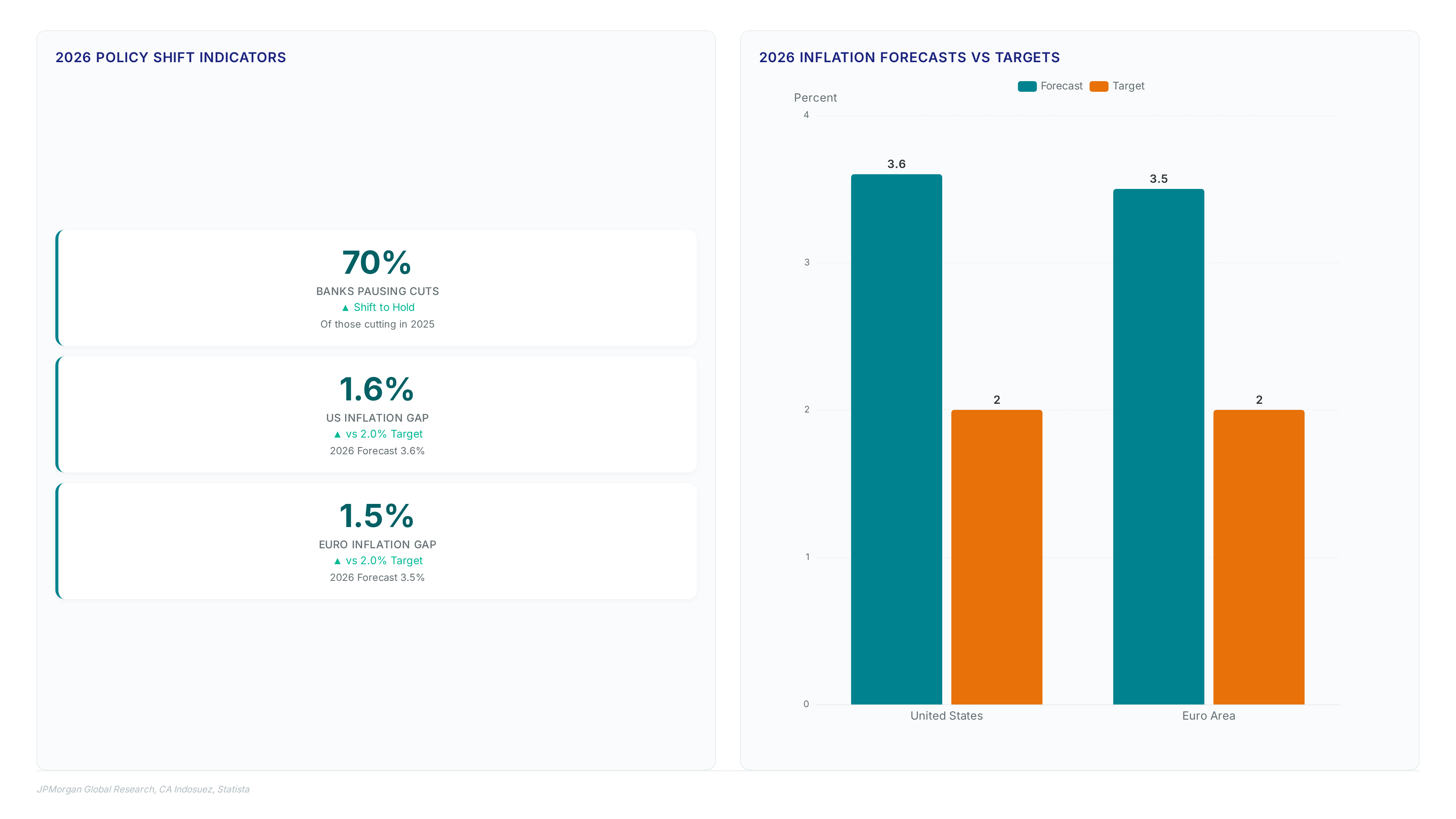
The era of synchronized global easing has collapsed. Central banks now sit in a precarious simultaneous hold at restrictive levels. JPMorgan data reveals that 70% of central banks cutting rates in 2025 are now inactive, signaling a sharp monetary policy divergence. This shift validates a harsh reality: failing to adjust easing mechanisms promptly invites volatile price spirals that demand even more destructive corrections later.
We must dissect the mechanics driving this inflation overshoot, where delayed reactions allow prices to breach the 2% target with dangerous momentum. Upstream energy costs transmit rapidly to consumer goods, creating persistent pressure despite geopolitical calming. Finally, we evaluate the strategic fallout of this hawkish shift, specifically how bond yields react when regulators prioritize curve-control over immediate market comfort.
Ryozo Himino warns that the window for gradualism is closing as core forecasts jump to 2.8%. Ignoring these signals invites a scenario where temporary accommodation becomes permanent instability. The cost of hesitation is no longer theoretical; it is priced into every yield curve adjustment made in 2026.
The Mechanics of Inflation Overshoot and Monetary Easing
Defining Inflation Overshoot and the 2% Target Threshold
When price levels breach the 2% benchmark due to delayed policy normalization, inflation overshoot occurs. This mechanism triggers when central banks fail to adjust monetary easing promptly, allowing transient cost pressures to embed permanently. Rapid cost pass-through from energy markets accelerates this breach, forcing sharper corrective hikes later. Deputy Governor Ryozo Himino warned that hesitation risks letting inflation break past intended limits.
The Bank of Japan currently maintains negative real rates, a unique stance among substantial economies in 2026. Such accommodation amplifies the velocity of price increases once supply shocks hit. Operators face a stark choice: support growth now or prevent a de-anchoring of expectations. The cost of inaction is a volatile trajectory requiring aggressive intervention. Timely adjustments to the uncollateralized overnight call rate remain the primary lever to contain these deviations. Failure to act converts temporary spikes into sustained structural inflation.
Applying the June 2026 Rate Hike to Real-World Easing Frameworks
The June 16, 2026 decision to raise the policy rate by 25 basis points to [1.00%] serves as a direct operational response to prevent inflation overshoot. This move established a 31-year high. However, forecasting remains unstable because the Bank of Japan must balance domestic wage growth against volatile import costs.
A critical limitation emerges here: Japan remains the only substantial economy permitting negative real interest rates in 2026, creating divergence with Federal Reserve policies. This divergence complicates currency stability while attempting to normalize yield curves. The implication for operators is clear; monetary easing frameworks now demand higher sensitivity to oil price shocks rather than broad stimulus. Delayed adjustments risk forcing more disruptive hikes later, a scenario Deputy Governor Ryozo Himino explicitly flagged. The policy rate increase to 1.0 percent signals that data dependency now overrides fixed forward guidance. Markets must interpret this shift as a move toward volatile, reactive tightening cycles.
Risk of Disruptive Rate Hikes from Falling Behind the Curve
Falling behind the curve forces central banks to implement sharper, more disruptive rate hikes later to regain control. Ryozo Himino emphasized that the dangers of this delay have grown as rapid cost pass-through from oil prices accelerates inflation. The core problem with inflation forecasting in Japan involves distinguishing transient energy shocks from embedded price increases. Such a scenario could potentially force sharper and more disruptive rate hikes later.
Global context complicates this maneuver, as 70% of central banks that were cutting rates in 2025 are now inactive, creating a simultaneous hold at high levels. This divergence leaves the Bank of Japan as the only substantial economy allowing negative real interest rates in 2026. The cost of miscalculation is severe: delayed action requires aggressive tightening that destabilizes domestic households and small businesses. Operators must watch for data confirming whether the current 1.0% policy rate suffices to anchor expectations without triggering a recession.
Transmission Channels from Oil Prices to Consumer Goods
Defining Rapid Cost Pass-Through in Wholesale Markets
Elevated energy prices now transfer immediately to downstream consumer goods, bypassing the wholesale absorption periods that once softened such shocks. Himino observed that this movement from high oil prices has progressed quickly, keeping persistent upward pressure on retail markets. Suppliers adjust invoices quicker than historical norms to preserve margins against rising input costs.
| Component | Price Movement | Driver |
|---|---|---|
| Aluminum mill shapes | a significant surge | Energy intensity |
| Steel mill products | 20.7% increase | Import tariffs |
| Copper and brass mill shapes | 15.7% rise | Section 232 tariffs |
Crude oil prices spike due to geopolitical tension. Refiners raise fuel costs for logistics and manufacturing. Producers instantly embed these costs into aluminum mill shapes and steel outputs. Wholesalers reject margin compression and lift prices immediately.
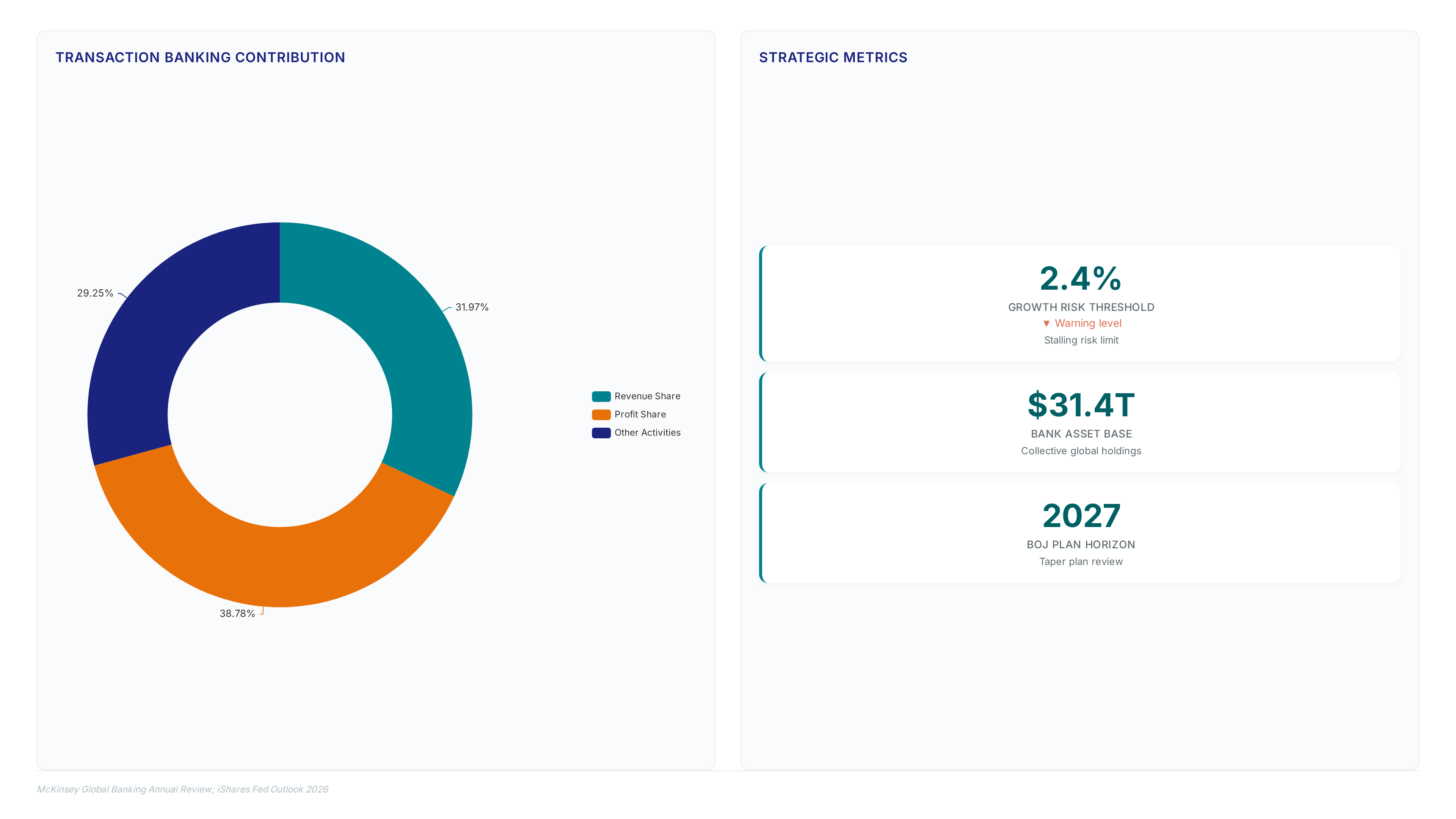
This transmission speed prevents central banks from distinguishing transient shocks from embedded inflation. Large corporations previously absorbed energy volatility, yet current wholesale pricing models demand immediate reimbursement. Transaction banking and distribution now account for 47 percent of bank revenues, shifting focus toward fee stability over balance sheet risk. Financial intermediaries show less willingness to buffer commodity shocks for clients. The inflationary signal reaches the consumer basket before monetary policy reacts. Rate hikes aimed at cooling demand cannot fix supply-side tariff impacts. Cost pass-through velocity now outpaces traditional lag indicators used by the Bank of Japan. Delayed adjustments risk allowing these wholesale spikes to calcify into permanent price floors.
Real-World Impact: Aluminum and Steel PPI Surges
Supply-side pressures drive these dynamics beyond energy, creating immediate wholesale to retail inflation. Raw material costs force manufacturers to adjust invoices quicker than historical norms, bypassing typical wholesale absorption periods. Rapid pass-through accelerates the breach of targets, yet the Bank of Japan must weigh this against a growth forecast cut to 0.5%. Operators must recognize that delayed adjustments allow transient shocks to embed permanently. Hesitation requires sharper, disruptive rate hikes later to regain control.
Monitoring infrastructure reveals the scale of the surge:
- Aluminum mill shapes show a significant surge driven by energy intensity.
- Steel mill products register a 20.7% increase due to high energy usage.
- Import tariffs on copper and brass mill shapes cause a 15.7% rise.
- Section 232 tariffs further complicate the pricing environment for metalworkers.
Risk of Persistent Upward Pressure on Central Bank Policy
Energy cost pass-through forces the central bank to maintain alertness despite geopolitical stabilization. Immediate wholesale price adjustments bypass traditional absorption periods, creating persistent upward pressure across retail markets. Himino noted that the transfer of high oil prices down to downstream consumer goods has progressed quickly, maintaining this flexible even as Middle East tensions ease. Global context complicates domestic maneuvering as monetary policy transitions to a simultaneous hold among substantial economies. This divergence leaves the Bank of Japan as the sole substantial institution allowing negative real interest rates, creating unique vulnerability to currency-driven import inflation.
Premature normalization carries a measurable cost. US inflation remains forecast at 3.6% while the Euro Area sits at 3.5%, reflecting broader inflation persistence that restricts global easing. Domestic operators face tension between curbing inflation expectations and avoiding disruption to local businesses still absorbing input cost shocks. Data-driven mandates require strict adherence to incoming metrics rather than fixed timelines. The forward-looking nature of current policy means any lag in response could cement higher price levels permanently. Easy financial conditions are expected to remain for the time being, yet the window for gradual adjustment narrows with each wholesale price surge.
Strategic Implications of a Hawkish Shift for Bond Yields
Defining Hawkish Signals via Price Overshoot Warnings
Explicit warnings that delayed adjustments cause price overshoots function as definitive hawkish signals, shifting market pricing toward quicker normalization. Markets interpret the threat of an inflation overshoot as a commitment to tighten, differentiating this stance from dovish policy which tolerates temporary target breaches to support growth. Rapid cost pass-through means waiting for confirmed data often results in losing control of the inflation narrative.
Credibility limits this forward-guidance strategy. If traders doubt the central bank's willingness to inflict pain, the price overshoot warning fails to anchor expectations. Short-term bond yields rise on the probability of future hikes, even if current conditions remain accommodative.
Applying Data-Dependent Monitoring to Household Impact
Traders anchor rate hike forecasts to Deputy Governor Himino's explicit pledge to monitor local businesses and households for signs of economic stress. Because this official guidance ties policy moves to domestic absorption capacity, the timing of the next increase remains strictly conditional rather than calendar-driven. Market participants interpret this stance through the lens of global liquidity, noting that central banks collectively hold approximately a vast sum in assets, which limits how aggressively any single institution can tighten without destabilizing bond markets.
The BOJ continues to review its bond taper plan running through March 2027, creating a fixed supply trajectory that increases the price sensitivity of new issuance. Operational forecasting requires tracking the bifurcation between large exporters and small domestic firms, as the latter face higher borrowing costs despite the uncollateralized overnight call rate sitting at 1.0 percent. A premature hike risks breaking credit transmission mechanisms in the SME sector before inflation fully stabilizes. Distinguishing temporary cost shocks from entrenched wage-price spirals prevents disruptive policy reversals. The data-dependent framework demands granular visibility into regional bank lending standards rather than aggregate national metrics.
Risk of Immediate Market Tightening Tempered by Accommodative Reassurances
Yield volatility remains constrained by explicit pledges that accommodative conditions persist despite rate hikes. The friction exists between hawkish signals warning of overshoot and the practical need to monitor local businesses. Investors expect higher bond yields only if data suggests the central bank cannot balance price stability with economic health. A premature shift to aggressive tightening risks stalling growth before the 2.4% target is sustainably reached.
Senior Economist Carlos Casanova highlights the friction between currency stabilization and domestic rate gaps. This flexible creates a narrow path where yields rise gradually rather than spiking. Operators must distinguish between necessary normalization and damaging contraction. Misinterpreting these reassurances leads to a portfolio misaligned with the actual pace of policy transmission.
Interpreting Central Bank Signals to Avoid Market Misinterpretation
Lessons: Defining Data-Dependent Rate Hikes via Household Monitoring
Deputy Governor Himino ties future rate moves to real-time stress on local businesses and households, rejecting rigid calendar-based guidance. This mechanism requires operators to parse investment response data rather than relying on fixed forward guidance schedules. The Bank of Japan (BOJ) explicitly links policy adjustments to the speed at which oil costs transmit through the economy, creating a conditional framework for the next 25 basis point increase. Markets often misinterpret this flexibility as hesitation, yet the Policy Board defeat of higher rate proposals confirms that domestic absorption capacity dictates timing.
Preventing a price overshoot while avoiding economic contraction in sectors with elevated SME borrowing costs creates analytical tension. Acting prematurely risks stalling capital expenditure among firms with marginal liquidity. Coverage Pillars recommends monitoring regional credit union lending standards as a leading indicator for these monetary policy shifts. This reaction reflects a global shift where central banks move from easing to a "simultaneous hold," limiting liquidity as confirmed by monetary policy divergence data showing most institutions pausing cuts. The mechanism transmitting these signals relies on the central bank's balance sheet composition, which differs notably from the Federal Reserve's transition to shorter-duration assets for reserve management. While the BOJ reviews its taper plan through March 2027, the sheer scale of global assets creates a ceiling on how aggressively yields can climb without destabilizing debt servicing. A sharp increase in short-term yields risks fracturing transmission to local businesses, forcing the central bank to balance inflation control against financial stability.
Operators must distinguish between calendar-based expectations and data-dependent reality, noting that accommodative conditions remain the baseline until specific household stress metrics appear. Misinterpreting the hawkish tone as an immediate end to accommodation leads to premature positioning errors in the bond market. Strategic clarity requires monitoring the speed of cost pass-through rather than relying on fixed forward guidance schedules. Coverage Pillars advises clients to weight scenarios where inflation breaches targets against the political cost of disrupting small businesses.
Lessons: Risk of Immediate Market Tightening Tempered by Accommodative Reassurances
Investor overreaction to hawkish signals ignores the explicit pledge that accommodative conditions persist despite rate normalization. Markets often misread warnings about inflation overshoot as immediate liquidity withdrawal, yet the central bank maintains negative real rates unlike peers managing persistent price pressures. This divergence creates a tension where short-term bond yields rise on fear, even as the Bank of Japan (BOJ) monitors domestic absorption capacity before acting further. Operators must distinguish between the threat of future tightening and the reality of current support, noting that global asset pools remain vast enough to buffer localized shocks. Misinterpreting data-dependent hesitation as weakness leads to premature position squaring, whereas the actual constraint remains the speed of oil cost pass-through rather than policy intent. Strategic clarity requires tracking household stress metrics over yield curve steepening, a nuance often missed by algorithms trained on monetary policy. Coverage Pillars advises focusing on real-economy feedback loops rather than headline rate speculation to avoid false signals.
About
Vikram Nair serves as the Emerging Markets & Asia FX Writer at ForexCFD. Top, where he specializes in the intersection of central bank policy and currency volatility. His deep focus on Asian monetary dynamics makes him uniquely qualified to analyze Deputy Governor Himino's warnings regarding the Bank of Japan's policy adjustments. Nair's daily coverage of regional pairs like USD/IDR and USD/PHP requires constant monitoring of how substantial shifts in Japanese liquidity impact emerging market capital flows. As the BOJ navigates potential inflation overshoots, Nair translates these complex macroeconomic signals into actionable insights for traders exposed to Asia FX correlations. His work at ForexCFD. Top, a vendor-neutral publication dedicated to rigorous fundamental analysis, ensures that readers receive factual context on how delayed policy normalization in Japan could trigger broader regional currency instability. This expertise allows him to critically evaluate the risks of falling behind the curve without resorting to market hype.
Conclusion
Scaling these adjustments exposes a critical fragility: industrial energy intensity creates a feedback loop that standard rate hikes cannot immediately sever. When aluminum and steel production costs surge alongside tariff implementations, the operational burden shifts from financial engineering to physical supply chain durability. This flexible forces a reevaluation of liquidity models that assume smooth transmission mechanisms. The real risk lies not in the policy rate itself, but in the lagging response of heavy industry to energy price shocks, which can stall capital expenditure before monetary tightening fully transmits.
Organizations must decouple their hedging strategies from pure yield curve speculation by Q3. Relying on central bank signals alone ignores the structural inflation embedded in raw material processing. Instead, treasury teams should prioritize securing long-term energy contracts and diversifying metal sourcing before the next fiscal quarter closes. This specific window offers the last opportunity to lock in margins before downstream costs fully reflect upstream volatility.
Start by auditing your supplier exposure to Section 232 tariffs and energy-dependent inputs this week. Map these vulnerabilities against your current cash flow projections to identify immediate gaps. This concrete step grounds your strategy in physical reality rather than abstract rate forecasts, ensuring your balance sheet withstands the inevitable friction between policy intent and industrial capacity.
Frequently Asked Questions
Delaying adjustments risks letting inflation break past the 2% target. Deputy Governor Himino warns this overshoot could force sharper, disruptive rate hikes later to regain control.
The recent hike establishes a new benchmark at 1%. This move ends a prolonged era of near-zero liquidity while signaling that data dependency now overrides fixed forward guidance.
JPMorgan data reveals that 70% of central banks cutting rates in 2025 are now inactive. This sharp divergence signals the collapse of synchronized global easing frameworks.
Falling behind allows transient cost pressures to embed permanently, breaching the 2% limit. This forces central banks to implement much sharper and more disruptive rate hikes later.
Core forecasts jumping to 2.8% warn that the window for gradualism is closing. Ignoring these signals invites a scenario where temporary accommodation becomes permanent instability.